
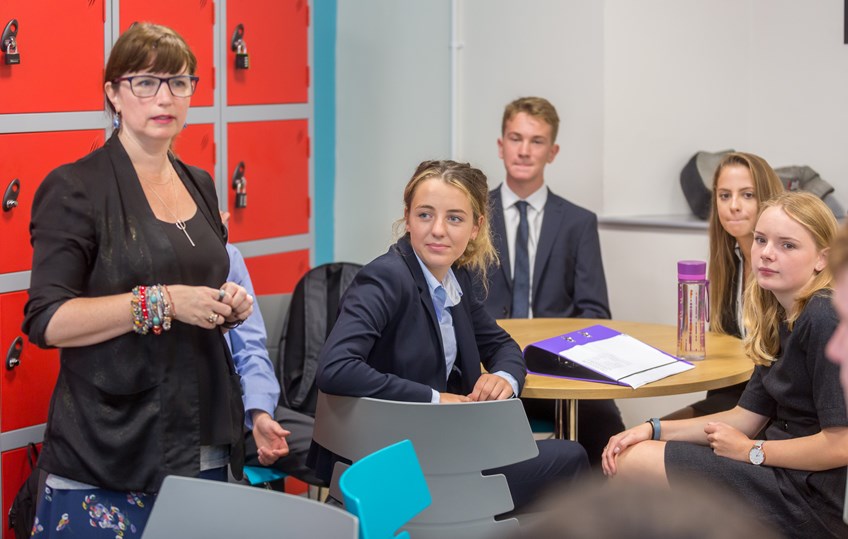


Following a two-day visit, the Good Schools Guide has published its reviews of QEH Junior and Senior Schools, offering an independent insight into the people, teaching, and experiences that shape life at QEH.
What makes a school special? For the Good Schools Guide, its recent reviews of QEH Junior and Senior Schools point to something that goes beyond academic success: a school where pupils are encouraged to be themselves, discover their strengths, and feel that they belong.
Last term, a Good Schools Guide reviewer spent two days at QEH, meeting pupils, staff, and parents to gain an understanding of life across both schools. The resulting reviews offer an independent perspective on our approach to education and the experiences of the people who know QEH best.
Read the full reviews below to discover more about QEH Junior and Senior Schools.

An education shaped around the individual
The Senior School review opens with a fitting observation: QEH stands out for “quietly making sure every pupil counts”.
It is a particularly meaningful reflection on our approach to pastoral care. At QEH, knowing pupils as individuals is central to school life, helping staff recognise their strengths, understand their needs, and encourage them to make the most of their opportunities.
The reviewer heard this directly from our community. One Senior School pupil explained, “I feel known here, known by other pupils, known by teachers.” A parent spoke of how quickly their daughter had settled, saying, “I am blown away by the teachers. Our daughter felt known so quickly when she arrived.”
The Junior School review explores what this looks like at the beginning of a boy’s educational journey. With small class sizes and close relationships between staff and pupils, boys have the space to develop at their own pace and discover what they enjoy.
It is a simple but powerful reflection of the difference a school can make, helping a child grow in confidence and discover interests they may not have known they had.

Understanding how boys learn
Both reviews examine QEH’s considered approach to boys’ education, highlighting how teaching is informed by research into the ways boys learn best.
In the Junior School, the reviewer saw lessons designed to keep boys engaged through practical activities, discussion, and opportunities to explore ideas creatively. The approach extends beyond the classroom, with opportunities to build confidence through music, drama, art, and sport.
Mr Ross Wolverson, Junior School Head, describes the school’s role as being “shepherds” rather than “engineers”, guiding boys along their own paths instead of trying to fit them into a mould. It is a philosophy that recognises there is no single way to thrive.
In the Senior School, the review highlights a broad curriculum and a teaching approach that combines academic challenge with variety and interaction. Pupils are encouraged to develop their independence while knowing that help is available when they need it. As one pupil told the reviewer, “They always offer us support if we’re stuck.”
The report also recognises the importance of stretching pupils beyond the standard curriculum. Through initiatives such as the Catalyst programme, those ready for additional academic challenge can explore subjects in greater depth, while enrichment opportunities provide pupils space to pursue interests beyond their usual lessons.
Confidence that extends beyond the classroom
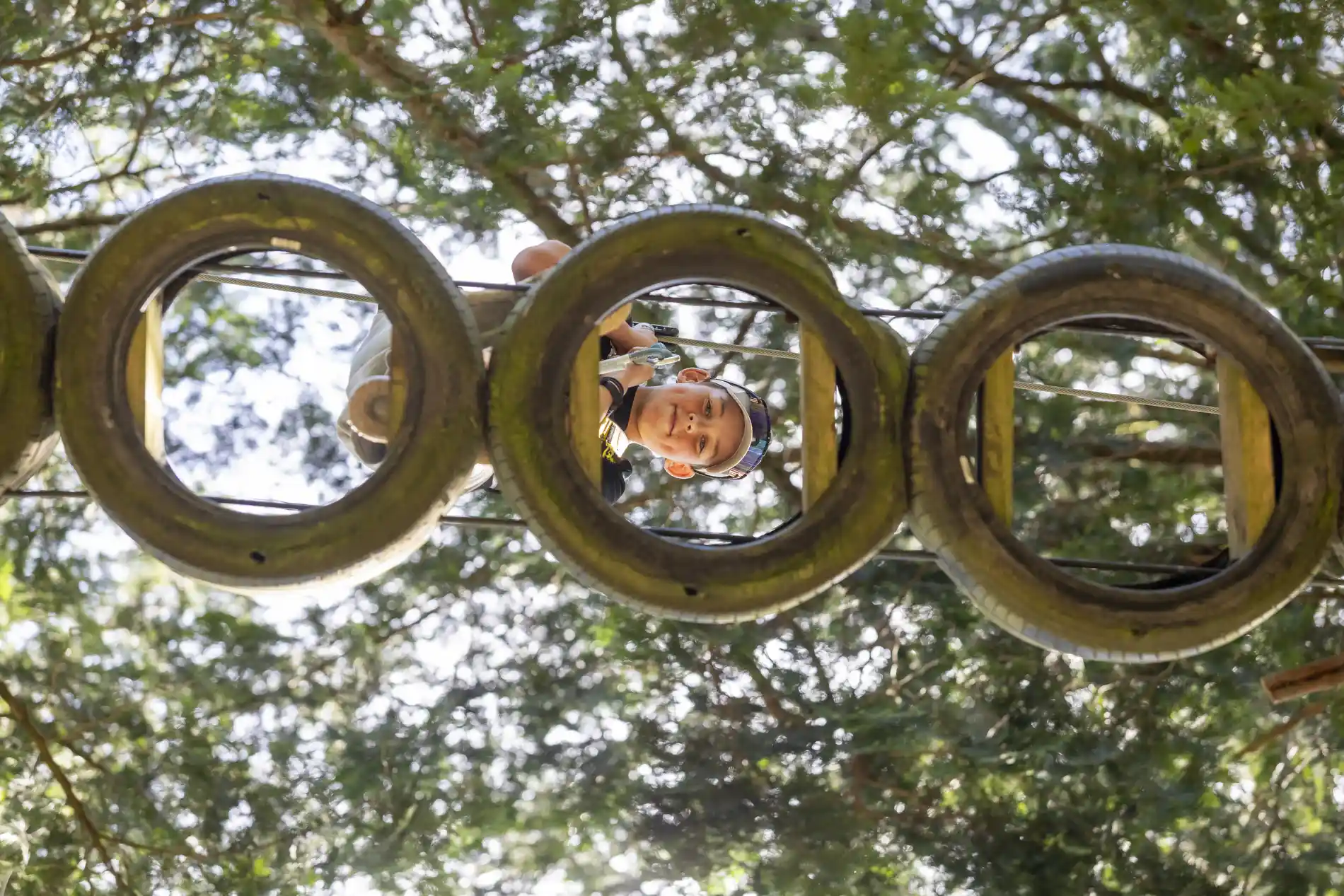
The reviews offer a particularly encouraging picture of pupils growing into new opportunities, sometimes in areas where they might not initially have felt confident.
In the Junior School, the reviewer was struck by the boys’ enthusiasm for performing arts. One parent described a change in their son that went well beyond learning a part or performing a song: “He wasn’t good at standing up in front of his friends but now he’s throwing himself at it!”
It is a reminder of the value of giving children the chance to try something unfamiliar, discover an unexpected interest, and realise what they can achieve.
That breadth of experience continues into the Senior School, where pupils can pursue interests across sport, the arts, outdoor education, and co-curricular activities. The school’s Sport for All philosophy encourages participation alongside performance, while opportunities in music and drama allow pupils to develop talents that might otherwise remain undiscovered.
For Sixth Formers, the review highlights the balance between academic ambition and preparation for adult life. With 29 A-level subjects available and the option to study four A levels, students can explore their interests while keeping future pathways open.

A community with a clear sense of purpose
Beyond teaching and co-curricular life, the Good Schools Guide recognises the values that shape the atmosphere of both schools.
In the Junior School, kindness, curiosity, positivity, and collaboration are woven into daily life. Pupils are encouraged to consider their actions, understand their feelings, and develop the qualities that will help them become thoughtful, considerate young adults.
The Senior School review similarly highlights a down-to-earth community in which pupils can pursue different interests without feeling they must fit a particular mould. A pupil might excel at sport, take part in a school production, and enjoy an academic challenge, all within the same school environment.
This freedom to explore different sides of themselves is an important part of growing up. We want pupils to leave QEH with a strong academic foundation, but also with the confidence to make their own choices and the curiosity to keep learning.
We are grateful to the pupils, parents, and staff who shared their experiences with the Good Schools Guide. Their contributions have helped provide a valuable insight into life at QEH, and we are pleased to share both reviews with our wider community.

Latest News

Cricket Success for Sidney in Dubai

QE Award Marks Another Successful Year for Outdoor Pursuits
Related Articles

Open Days – how to prepare and what to look out for

Activities for Summer Holidays


